The Emmaus Cycle | Wall Paintings in Context and Close Up
The Wedding at Cana
The Wedding at Cana (John 2:1–11) - The Miraculous Filling of Vessels with Oil (2 Kgs 4:1–7) and Solomon Drinking Water from a Well (Prov 5:15)
Inscription: not preserved; in the 19th century a fragment was legible: Vacua vasa Hel... ("Empty vessels …")
Uppsala description: Ad mandatum Helye vidua implevit vasa. Christus mandavit impleri ydrias. Salomon impletur vas, ut bibat. (At Elijah’s command the widow filled the vessels. Christ commanded the jars to be filled. Solomon filled a vessel in order to drink.)
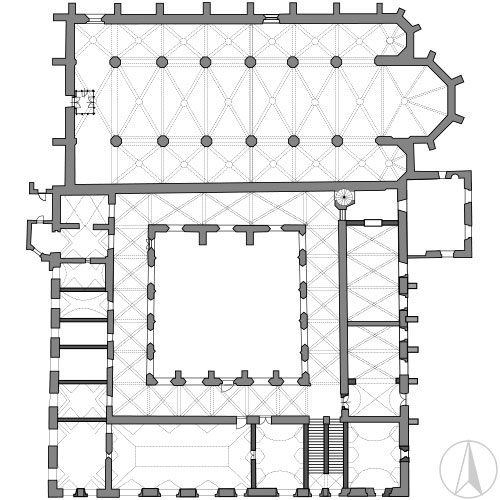
The first miracle of Jesus - the transformation of water into wine - marks the beginning of the section on the north wall dedicated to Jesus’s public ministry. Yet each of Jesus’s deeds here also serves as a foreshadowing of the Church’s future mission. Of particular importance is the eucharistic symbolism, as well as the reminder of the spiritual purification offered through penance and forgiveness. The north wall is also, notably, the church wall (in Latin the word ecclesia means both "church" as a building and "Church" as an organisation).
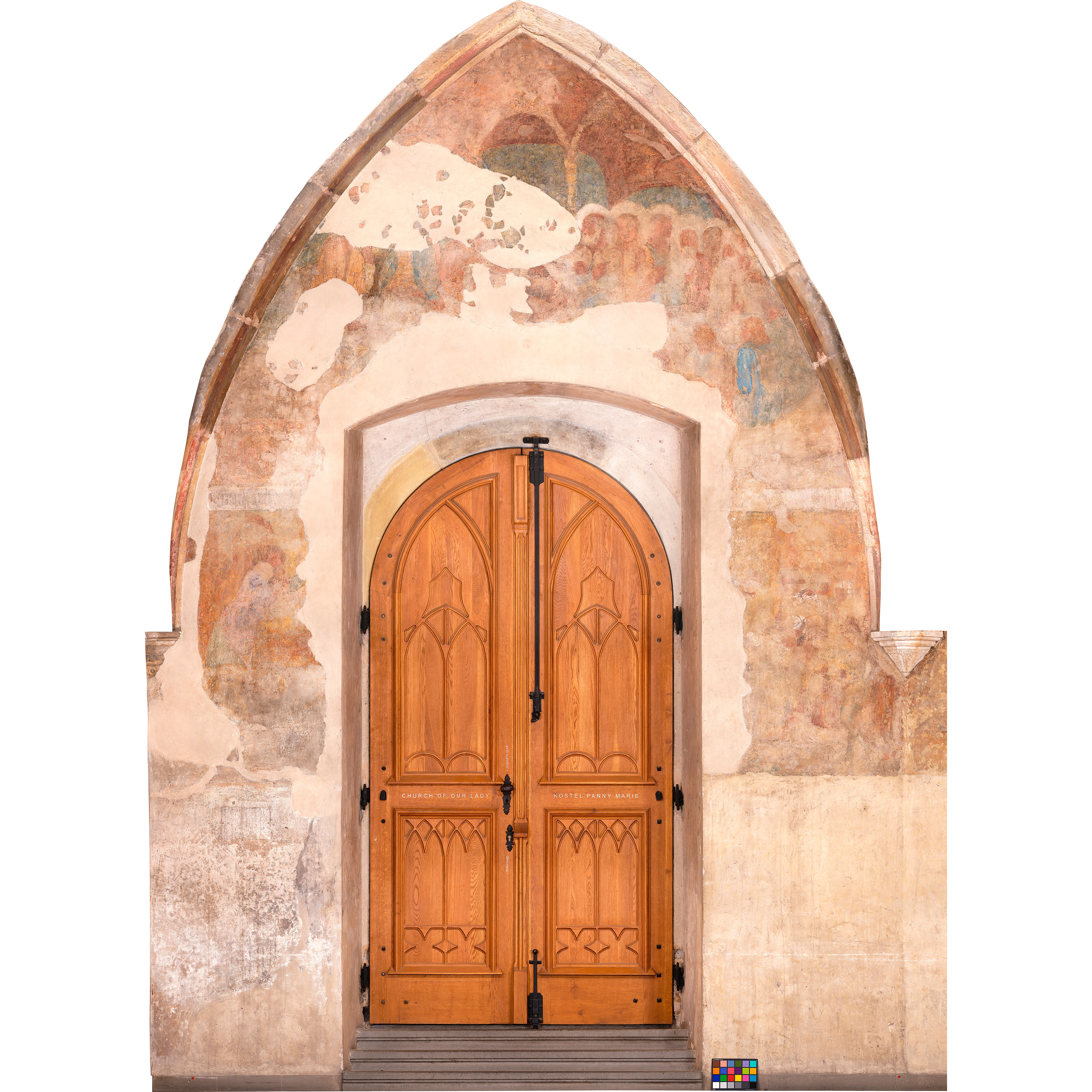
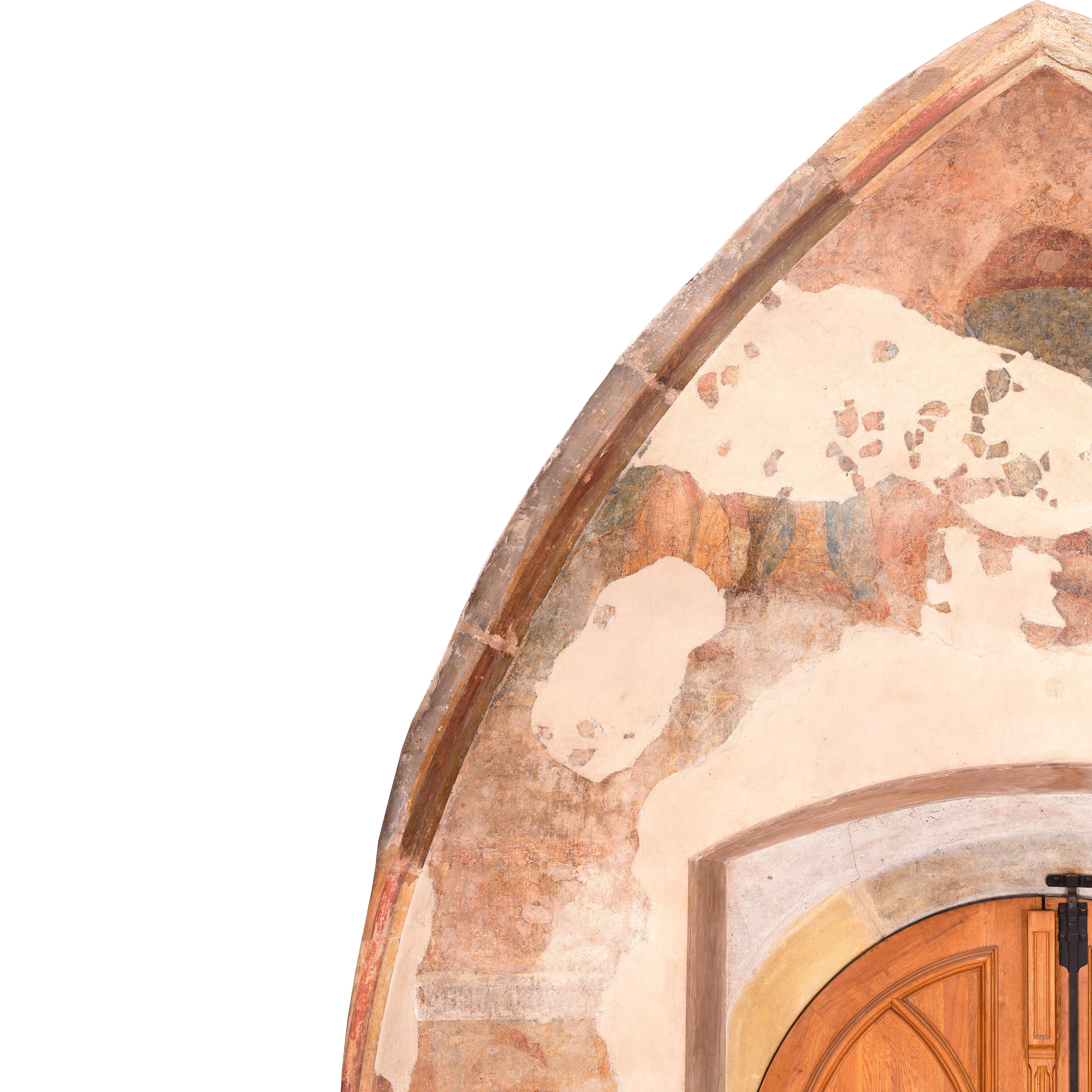
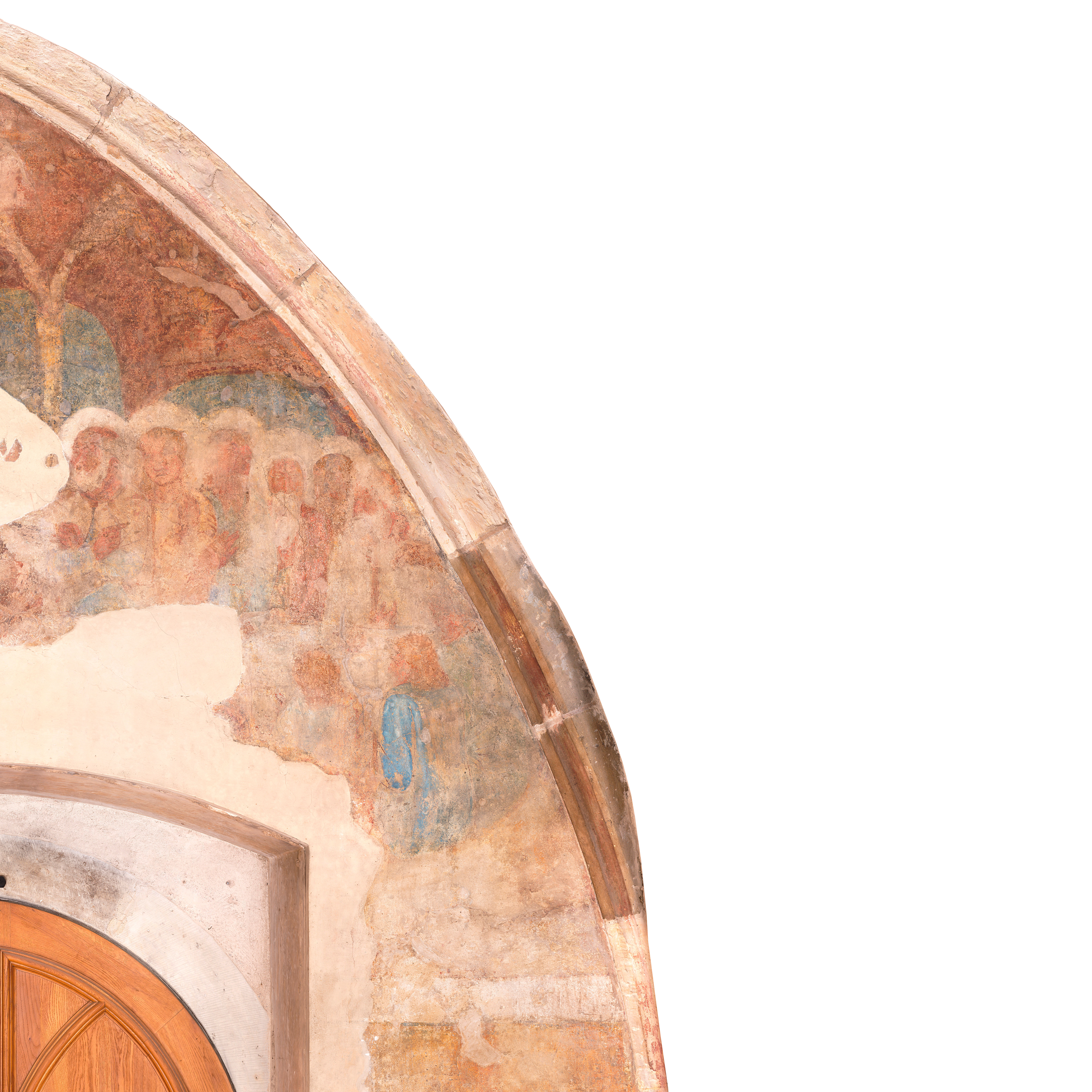
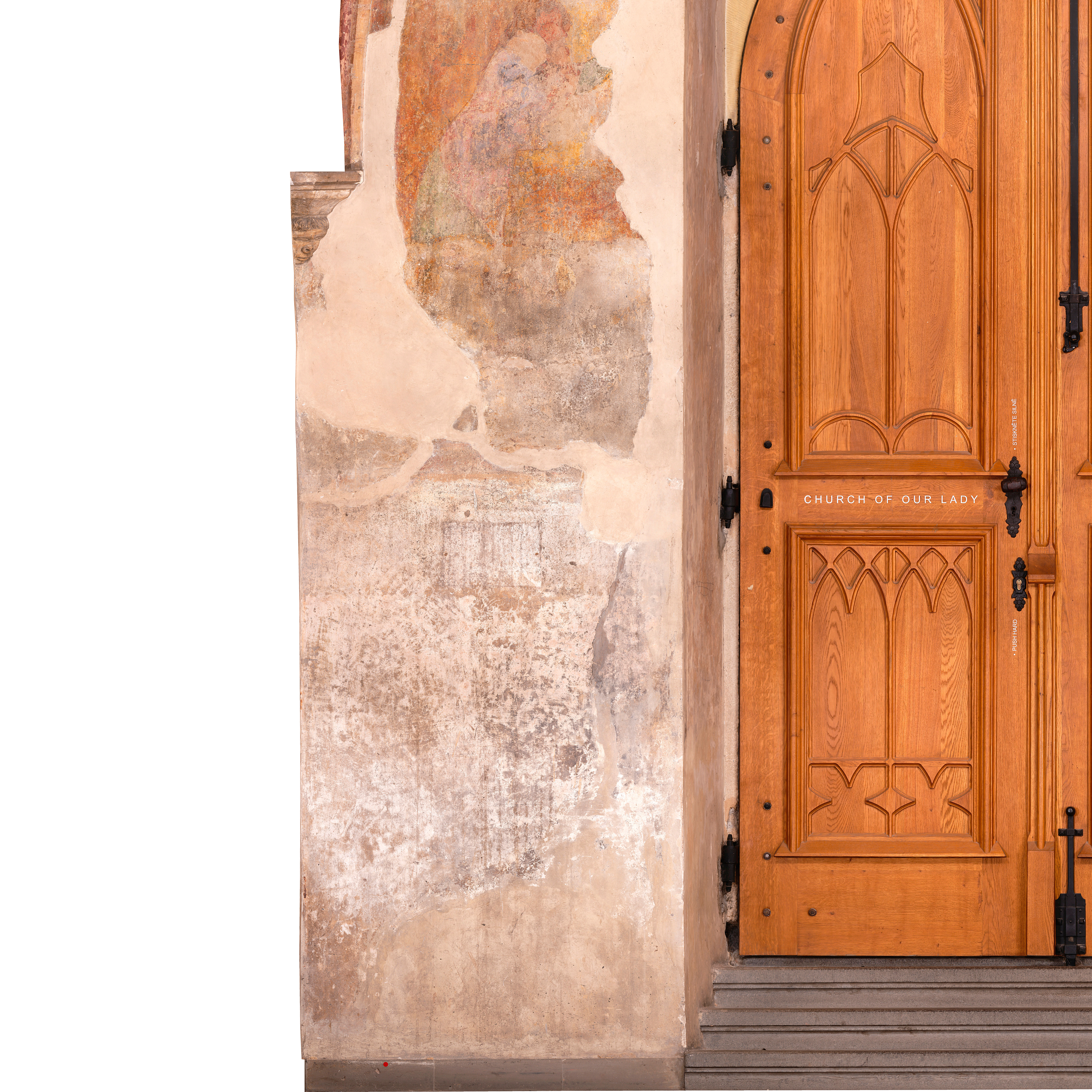
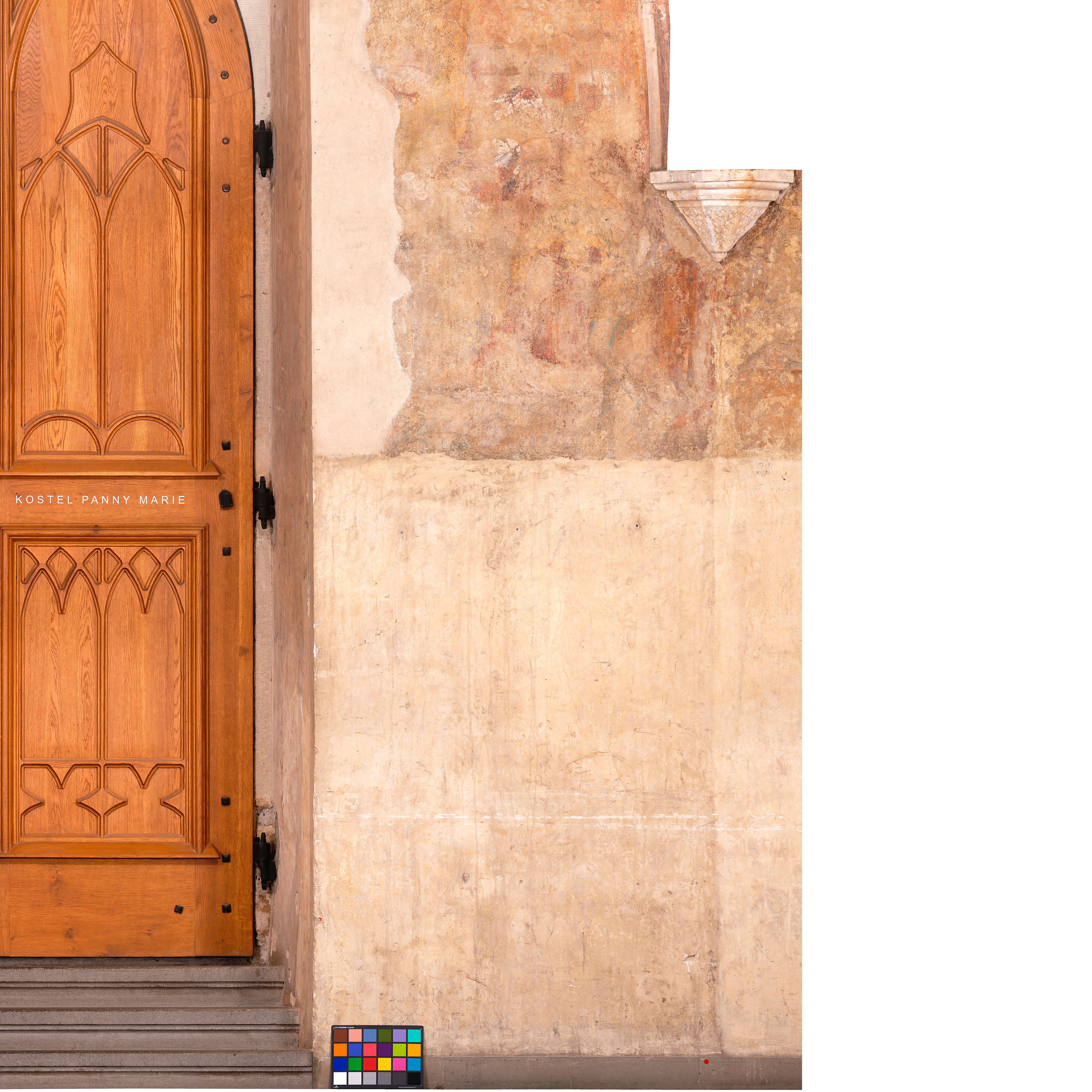
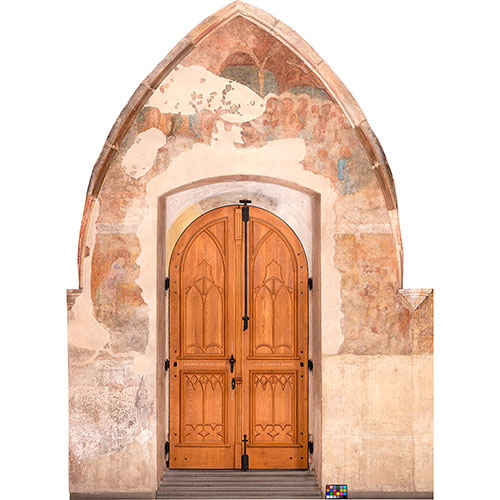
The state of the paintings has been significantly affected both by the opening of a new entrance to the monastic church and by the explosion of 1945, which caused a large part of the main scene to be lost. Fortunately, this scene is well documented in historical photographs.
a. The Wedding at Cana is described only in the Gospel of John and is indeed the first miracle performed by Jesus. Jesus had been invited to the wedding along with his mother. When the wine began to run out, Mary drew her son’s attention to the problem, and Jesus had water poured into empty jars, which he then transformed into wine.
In the center of the scene runs a long, laid table. On its left side sat Jesus, with the Virgin Mary seated next to him at the corner. They were apparently conversing. Mary inclined her head toward Jesus and pointed with her right hand downward in front of the table, presumably toward the empty wine jars. Jesus raised his left hand, perhaps in response to his mother’s request, and pointed with the other hand in the same direction as she did.
Next to Mary sat the bridegroom, a figure with striking facial features - a fairly large nose, short beard, and shoulder-length hair - wearing a cap on his head. Beside him sat the bride, her head adorned with a cruseler (a type of medieval headdress) and dressed in fashionable garments. To her left pressed a group of apostles led by St. Peter - this group is still visible on the surviving fragment. Also visible are the figures sitting with their backs to the viewer along the front side of the table.
b. The prophet Elisha instructed a widow to collect vessels and, together with her sons, to fill them with oil from a single jar. The widow was then to sell the miraculously obtained oil and pay off the debt she owed.
From this scene, only the figure of a bearded man with his right hand raised and several vessels at his feet has survived. He likely represented one of the widow’s sons. The widow herself presumably stood on the other side of the vessels, holding a jug together with her son, from which oil was flowing down. Whether the prophet Elisha was depicted in the scene is unknown.
c. The subject of the final scene is unclear. Josef Neuwirth claimed that it depicted the Miraculous Healing of the Waters of Jericho, but it is not known what led him to this conclusion. The Uppsala text mentions Solomon filling a vessel and drinking, yet this description does not correspond to any known biblical scene.
One possibility, however, is that the scene visualizes a verse from the Book of Proverbs, traditionally attributed to Solomon: “Drink water from your own cistern, running water from your own well.” On the surviving fragment of the scene, a well could be seen, around which people were gathered, drawing water, drinking it, and pouring it into other vessels.
Předchozí pole | Následující pole ✖